

Best Beard Combs
🏆 Top Picks at a Glance
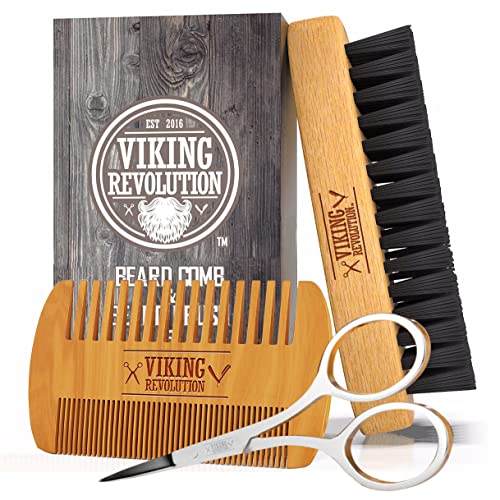 #1
#1
Best Overall
Viking Revolution Beard Comb & Beard Brush Set for Men -- Natural Boar Bristle Brush and Dual Action Pear Wood Comb w/Velvet Travel Pouch - Great for Grooming Beards and Mustaches
$9.99
Check Price → #2
#2
Runner Up
Wooden Beard Comb & Case, Dual Action Fine & Coarse Teeth, Perfect for use with Balms and Oils, Top Pocket Comb for Beards & Mustaches by Viking Revolution
$5.88
Check Price → #3
#3
Best Value
Kootinn 5 Pack Double-Sided Pocket Comb for Hair, Beards & Mustaches | Fine & Coarse Teeth, Everyday Comb For Detangling Knots, Beard Care & Grooming
$4.99
Check Price →Our Top Picks
Affiliate disclosure: if you buy through these links, we may earn a commission at no extra cost to you.
Factors to Consider
Material quality and finish
⚡ Quick Answer
Material choice affects comfort, durability, and beard health. Wood is common and tends to be gentler on hair; sandalwood, pearwood, and bamboo age well and resist snags. Horn and cellulose acetate offer smooth, premium feels and good stiffness, but price varies; cheap plastic options exist but can have rough edges and higher static. Pro Tip: When shopping wood, check for a smooth finish and a tight grain; run a finger along the edge to feel for rough spots.
Table of Contents
Tooth width and geometry
Beard length and thickness dictate what teeth you need. Wide-tooth (roughly 2-4 mm between teeth) detangles knots without ripping; ideal for longer, curly beards. Medium teeth work for shorter, less tangled beards and for finishing. Pro Tip: Start with a wide-tooth for detangling in the shower, then switch to medium for shaping to finish in under 60 seconds.
Size, portability, and design
Size matters: 3-4 inch pocket combs fit a gym bag or jacket pocket. Folding designs or protective cases keep teeth clean in transit. A comfortable, non-slip grip and smooth, rounded teeth help when your hands are wet or after oil application. Pro Tip: Test the reach of the teeth on your jaw line at home before relying on it during a quick morning routine.
Maintenance, hygiene, and longevity
Clean after every use to prevent oil buildup and bacteria. Wood and horn require conditioning with a light oil and should never be soaked. Rinse with warm water and mild soap, then dry thoroughly to prevent warping. Pro Tip: Wipe with an alcohol-free wipe and allow to dry fully before storing; a weekly quick clean keeps it fresh.
Value, budget, and durability
Beard combs range from $5 to $40; cheaper options can suffice as backups, but long-term durability matters. A well-made wooden comb with rounded teeth often out lasts cheap plastics in real use. If you style daily, the extra upfront cost for a premium design pays off in speed and fewer snags. Pro Tip: Invest in a single durable comb rather than a bundle of cheap ones; you’ll save time and maintenance in the long run.
Frequently Asked Questions
What material is best for a beard comb?
Wood is generally best for beards because it's gentler on hair and skin and tends to reduce static compared to cheap plastics. Premium options like horn or acetate glide smoothly too, but check for finish and avoid splinters. If you're on a budget, a sturdy plastic model with rounded teeth can work but won't last as long as wood.
Wide-tooth or fine-tooth: which should I choose?
For most beards, a wide-tooth comb detangles knots with less pulling and breakage, especially if your beard is long or curly. A fine-tooth comb is useful for finishing and shaping, but can snag on coarse hair. Research and grooming guides consistently favor wide-tooth for daily detangling; switch to finer teeth for detail work.
How do I clean a beard comb?
Remove hair, then wash with warm soapy water; avoid soaking wooden or horn models. Rinse, dry thoroughly, and store flat to prevent warping. Clean it weekly or after heavy oiling to prevent buildup.
Can a comb help with beard oil distribution?
Yes—after applying oil, comb through to distribute evenly and align hairs for a consistent look. It also helps transfer oil from the roots to the tips and can reduce dry or flaky skin under the beard. Keep a light hand to avoid over-oiling the mustache area.
Will using a comb irritate skin or cause breakouts?
It can if the teeth are rough or the wood is unfinished; choose a well-finished wood with smoothly rounded teeth. Gentle combing with light pressure minimizes irritation. If you have sensitive skin, test a new comb on a small area first.
How often should I replace a beard comb?
Replace when teeth crack, bend, or become sharp; that’s when snags increase. Wooden combs last years with proper care, plastics may wear out faster. If you notice shedding hairs or rough edges, it's time for a new one.
Does size matter for travel?
Yes. A 3-4 inch pocket comb fits gym bags and carry-ons; larger models stay at home. Ensure it still reaches the chin and can be used one-handed for quick grooming on the go.
Conclusion
Bottom line: a mid-width wooden comb around 3-4 inches with smooth, rounded teeth covers most needs in 2024. Pair it with a solid beard oil and a quick, efficient routine and you’ll look sharp with zero drama.


