

Best Pre Shave Oils For Men
🏆 Top Picks at a Glance
 #1
#1
Best Overall
8 fl. Oz, Unscented Pre Shave Oil for Men, Excellent Shaving oil for Men, Prepares for a burns free Shave, Works with Straight or Safety Razor
$23.97
Check Price → #2
#2
Runner Up
Bevel Pre Shave Oil for Men with Castor Oil, Olive Oil and Tea Tree Oil, Helps Soften Hair and Protect Skin from Irritation and Razor Burn, 2 Fl Oz
$12.95
Check Price →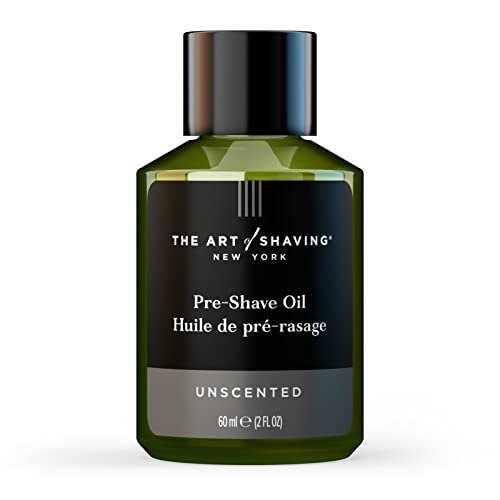 #3
#3
Best Value
The Art of Shaving Pre-Shave Beard Oil for Sensitive Skin – Improves Razor Glide, Protects Against Razor Burn & Post-Shave Irritation – Dermatologist-Reviewed – Unscented, 2 oz
$35.0
Check Price →Our Top Picks
Affiliate disclosure: if you buy through these links, we may earn a commission at no extra cost to you.
Factors to Consider
Oil Type Matters More Than Brand
⚡ Quick Answer
Pre-shave oils fall into two camps: mineral-based and plant-based. Mineral oils are cheaper, last longer on your skin, and work well if you have sensitive skin that reacts to botanicals. Plant-based oils (jojoba, argan, coconut) absorb faster and feel less greasy, but they oxidize quicker and cost more. Pick based on your skin type and how much residue you're willing to tolerate—there's no "best" here, only what works for your face.
Table of Contents
Slip and Glide Quality Determines Results
The whole point of pre-shave oil is to reduce friction between blade and skin. If the oil doesn't create consistent slip, you'll still get razor burn and ingrown hairs. Look for oils that stay slick through multiple passes without breaking down or turning gummy. Test this by reading reviews specifically mentioning "smooth glide" or "reduced tugging"—vague praise about "luxury" doesn't tell you anything useful.
Skin Sensitivity and Ingredient Allergies
If you break out easily or have reactive skin, avoid oils with fragrance and essential oils—they're common culprits. Stick with fragrance-free, single-ingredient options like pure jojoba oil or mineral oil with minimal additives. Check the ingredient list for alcohol (dries you out) and synthetic fragrances before buying, especially if you've had problems with other grooming products.
Price-to-Value and How Long Bottles Last
A 2-3 oz bottle typically lasts 2-3 months with daily use because you only need 2-3 drops per shave. Don't overpay for fancy packaging or brand names when a $6 bottle of pure jojoba oil from a health store does the same job as a $25 "luxury" option. Calculate cost-per-shave: if a $20 bottle lasts 60 shaves, that's 33 cents per use—reasonable for a quality product, wasteful if you could get similar results cheaper.
Compatibility With Your Shaving Setup
Pre-shave oil works best with certain blade types and shaving methods. Straight razors and safety razors need oils with excellent slip because they require precise technique; cartridge razors are more forgiving. If you use shaving cream or soap, make sure the oil doesn't interfere with lather—some oils break down foam, which defeats the purpose. Test your oil with your current setup before committing to a full bottle.
Frequently Asked Questions
Do I actually need pre-shave oil, or is it just marketing?
Pre-shave oil genuinely reduces friction and irritation if your skin is dry or prone to razor burn. It's not essential for everyone—guys with thick beards and naturally oily skin might skip it—but if you're dealing with ingrown hairs, irritation, or multiple-pass shaves, it works. The key is pairing it with proper technique: light pressure, sharp blades, and going with the grain.
Can I use regular coconut oil or baby oil instead of buying pre-shave oil?
Yes, and it'll probably work fine. Coconut oil and mineral oil (baby oil) are literally what's in many pre-shave products—you're just paying extra for marketing and added fragrances. The trade-off is that grocery store oils sometimes lack additives that improve slip or prevent rancidity, so test it on a small patch first. If your skin tolerates it and the glide feels smooth, you've just saved $15.
How much pre-shave oil should I use per shave?
Two to three drops, max. More isn't better—excess oil makes your razor slip unpredictably and wastes product. Warm your face first (hot shower or warm water), pat it down, then apply a few drops and distribute evenly with your fingers. If you're using a brush to build lather afterward, apply the oil before the brush so the bristles don't push it all off.
Will pre-shave oil clog my pores or cause breakouts?
Not if you choose the right oil for your skin type and rinse properly afterward. Lightweight oils like jojoba and argan won't clog most guys' pores; heavier mineral oils might trap bacteria if you don't wash them off completely after shaving. If you're acne-prone, use a fragrance-free option and always follow up with a post-shave balm that helps remove residual oil.
Can I use pre-shave oil with an electric razor?
Not really. Electric razors need a dry surface to work properly—adding oil creates slipping and reduces the closeness of the shave. If you use an electric razor, skip the pre-shave oil and focus on exfoliating the night before instead. Save the oil for wet shaving with a blade.
How long does a bottle of pre-shave oil typically last?
A standard 2-3 oz bottle lasts roughly 2-3 months with daily shaving, assuming you use 2-3 drops per shave. Some heavier oils last longer because they spread further; lighter oils might run out faster if you're generous with application. Do the math: if you shave 20 times per month, a 2 oz bottle should cover about 2.5 months easily.
Is it better to use pre-shave oil or shaving cream, or both?
Most guys use pre-shave oil as the base, then apply shaving cream or soap on top for lather and cushioning. The oil provides slip, and the cream provides protection and scent—they work together. However, if your skin is very oily or sensitive, you can skip the cream and use oil alone, though this requires more blade control and isn't recommended for beginners.
Conclusion
Pre-shave oil is a small addition to your routine that pays off if you're dealing with irritation, ingrown hairs, or just want a cleaner, smoother shave. You don't need an expensive bottle with a fancy label—a solid plant-based or mineral oil works just as well, costs half as much, and does the job. Pick one based on your skin type, use it sparingly, and pair it with sharp blades and proper technique for results that actually show.


