

Best Shaving Creams For Sensitive Skin
🏆 Top Picks at a Glance
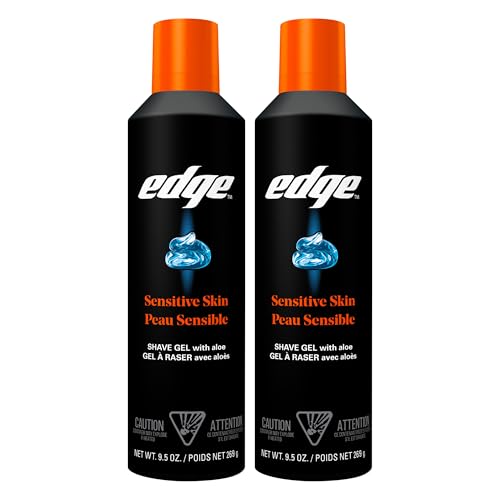 #1
#1
Best Overall
Edge Shaving Gel for Men, 9.5oz, 2 Pack Mens Shave Gel with Aloe, Mens Shaving Cream Sensitive Skin Shave Gel - Moisturizes, Protects, and Soothes
$9.45
Check Price → #2
#2
Runner Up
NIVEA MEN Sensitive Shave Gel, Shaving Gel for Men with Sensitive Skin, Enriched with VitaminPro Complex, 7 Oz Can, Pack of 3
$11.67
Check Price → #3
#3
Best Value
Cremo Sensitive Shave Cream, Astonishingly Superior Ultra-Slick Shaving Cream for Men, Fights Nicks, Cuts and Razor Burn, 6 Fl Oz
$7.97
Check Price →Our Top Picks
Affiliate disclosure: if you buy through these links, we may earn a commission at no extra cost to you.
Factors to Consider
Know Your Skin Type's Real Problem
⚡ Quick Answer
Sensitive skin isn't one-size-fits-all — you need to know if you're dealing with irritation from the blade itself, chemical burn from the cream, or post-shave dryness. Spend a week noting what actually stings: is it right after applying cream, during the shave, or hours later when your face feels tight? Once you identify the culprit, you can stop wasting money on products that don't address your specific issue. A cream that's perfect for razor burn does nothing for someone with eczema-prone skin.
Table of Contents
Check the Ingredient List, Not Just the Marketing
Avoid anything with alcohol, menthol, or fragrance if your skin reacts easily — these are cheap irritants brands use to make products feel "refreshing" while your face pays the price. Look for glycerin, aloe, or ceramides instead; they actually protect your skin barrier during the shave. Hyaluronic acid sounds fancy but works legitimately for sensitive skin because it holds moisture where you need it most. Read the actual label before buying, not the front-of-package claims.
Thickness Matters More Than You Think
A thin, watery shaving cream leaves your skin exposed to friction and blade irritation — that's why budget foam products often make sensitive skin worse. You want something thick enough to cushion the blade but not so heavy it clogs your razor or wastes product. The best creams for sensitive skin sit somewhere between a gel and a traditional lather; they hydrate while they protect. If you're applying product every two shaves instead of three, the price-per-use is better than it looks.
Factor in Your Shaving Routine Realistically
If you're shaving daily before work, you need a cream that rinses clean and doesn't leave residue that traps bacteria (which leads to irritation and ingrown hairs). If you shave a few times a week, you have more flexibility with heavier, more luxurious creams. Travel matters too — TSA allows shaving cream up to 3.4 oz, so if you're a frequent flyer, stick with brands that make travel sizes or tubes. Match the product to your actual life, not your fantasy grooming routine.
Don't Sleep on Technique as Part of the Solution
Even the best shaving cream for sensitive skin fails if you're using a dull blade, pressing too hard, or shaving against the grain. A fresh blade costs pennies and prevents more irritation than any cream can fix — most guys wait too long between changes. Shaving with the grain takes an extra 30 seconds but cuts irritation dramatically, especially for sensitive skin prone to razor bumps. The product is 60% of the solution; your method is the other 40%.
Frequently Asked Questions
Can I use regular shaving cream if I have sensitive skin?
Not if it's full of alcohol and fragrance — standard drugstore foams are basically irritant delivery systems. You can try it once, but if your face burns or gets red within an hour, you need something formulated for sensitive skin specifically. The difference isn't always expensive, but it's real.
How often should I replace my shaving blade if I have sensitive skin?
Every 5-7 shaves maximum, and sooner if you notice tugging or pulling. A dull blade causes more micro-tears on sensitive skin than a fresh one, leading to irritation and ingrown hairs no matter how good your cream is. This is the cheapest irritation prevention you can do.
Should I use hot or cold water with sensitive skin shaving cream?
Warm water opens your pores and softens the hair, making the shave easier and less irritating — but not scalding hot, which strips oils your skin needs. Apply your cream to warm skin (right after a hot shower is ideal), then splash with cool water after shaving to close pores and reduce inflammation. The temperature contrast actually matters more than most guys realize.
What's the difference between shaving cream and shaving gel for sensitive skin?
Gels are usually thinner and rinse faster, which works well if you shave daily and want minimal residue. Creams are thicker and provide more cushioning, better for sensitive skin that needs maximum protection — especially if you have razor bumps or ingrown hairs. Neither is universally better; it depends on your skin's specific sensitivity and your shaving frequency.
Can sensitive skin shaving cream help with razor burn that already happened?
Not really — the cream's job is prevention, not treatment of existing irritation. Once you have razor burn, you need a separate aftershave product with aloe or a lightweight moisturizer; using shaving cream on inflamed skin can actually make it worse. Prevention beats treatment, so find a good cream now and use it consistently.
Is "natural" or "organic" shaving cream better for sensitive skin?
Not automatically — natural ingredients can still irritate sensitive skin (tea tree oil and essential oils cause problems for plenty of guys), while some synthetic ingredients are genuinely gentler. Read the actual ingredient list instead of relying on marketing labels; "natural" means nothing legally and doesn't guarantee your skin will tolerate it. Price is also higher for natural products, and cheaper options often work just as well.
How much shaving cream should I actually use?
A quarter-sized amount for your whole face is the target — more doesn't mean better protection and wastes product. Apply it in circular motions to soften the hair and create a barrier, then shave. Using too little leaves you exposed to friction; using too much just clogs your razor and means you're replacing blades faster.
Conclusion
Sensitive skin doesn't mean you're stuck with mediocre shaves or expensive products that barely work. The right shaving cream combined with fresh blades and smart technique will cut irritation significantly — and most of the best options for 2025 won't break the bank if you focus on actual ingredients instead of branding.
Start with one recommendation from this list, stick with it for two weeks to let your skin adjust, and pay attention to when irritation actually happens in your routine. That's how you find what works instead of guessing based on marketing.


