

Best Shaving Kits For Men
🏆 Top Picks at a Glance
 #1
#1
Best Overall
Ufree Beard Trimmer for Men, Electric Razor Shaver, Cordless Hair Clipper Shaving Kit for Mustache Body Nose Ear Hair Facial, Adjustable Beard Grooming Kit Birthday Gifts for Men
$35.99
Check Price → #2
#2
Runner Up
Ufree Beard Trimmer for Men, Waterproof Electric Razor for Nose, Body, Face & Mustache, Cordless Hair Clippers Shavers Grooming Kit, Gifts for Men Husband Father
$33.29
Check Price →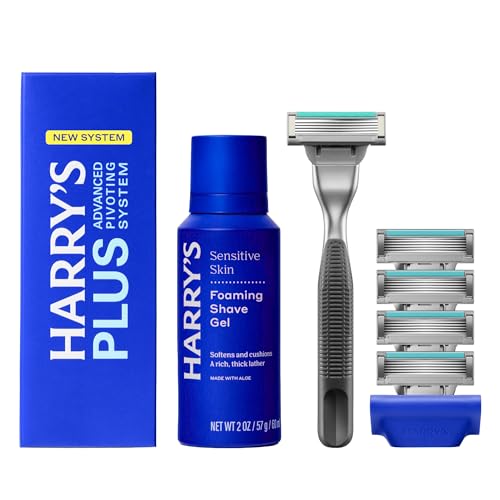 #3
#3
Best Value
HARRY'S PLUS: Starter Shaving Kit for Men - Premium Handle, 5 Razor Blade Cartridges, 2 oz Foaming Shave Gel & Travel Cover, Advanced Pivoting System - Onyx
$21.94
Check Price →Our Top Picks
Affiliate disclosure: if you buy through these links, we may earn a commission at no extra cost to you.
Factors to Consider
Razor Type: Cartridge vs. Safety Razor vs. Straight
⚡ Quick Answer
Cartridge razors (like Gillette Fusion) are fastest and require zero learning curve—grab, shave, done. Safety razors cost more upfront but save money long-term since blades are cheap; they also give you more control and typically produce less irritation for sensitive skin. Straight razors demand serious technique and maintenance, so skip them unless you're genuinely interested in the ritual—they're not a shortcut to a better shave, just a different path.
Table of Contents
Blade Quality and Sharpness Matter More Than You Think
A dull blade forces you to apply pressure, which causes razor burn, ingrown hairs, and irritation—the opposite of what you want. Premium blades stay sharp longer and glide easier, meaning fewer passes over your skin and less damage. Budget options work, but if you're shaving 5 days a week, spending an extra dollar or two per blade saves your face from punishment and keeps your routine quick.
Lather and Prep Are Half the Battle
You can have the best razor on earth, but without proper prep and lather, you'll still get a rough shave. A quality shaving cream or gel softens your beard, lubricates your skin, and makes the blade glide instead of drag. Equally important: wet your face with warm water for 30 seconds first to hydrate whiskers and open pores—this single step cuts irritation dramatically and makes your shave faster and smoother.
Aftercare Prevents the Real Damage
The shave itself is just the beginning; what you do after determines whether you look sharp or irritated for the rest of the day. A good aftershave balm (not cologne—different thing) soothes, hydrates, and closes pores, while a cheap or skipped aftercare routine leaves you red, dry, and prone to ingrown hairs. Think of it as insurance for your face: a $15 balm prevents weeks of stubborn bumps and irritation that'll mess with your confidence.
Kit Value vs. Buying Separately
Shaving kits bundle razor, blades, cream, and sometimes aftercare together—usually at a lower total price than buying each piece individually. The trade-off: you're locked into their cream or blade choice, which might not match your skin perfectly. For most guys starting out, a kit removes decision fatigue and saves money upfront; once you know what works for your skin, you can customize and upgrade specific items.
Frequently Asked Questions
How often should I replace my razor blade?
For most guys shaving 5-7 times a week, replace cartridge blades every 1-2 weeks or safety razor blades every 1-3 weeks—sooner if you notice tugging or irritation instead of a smooth glide. A dull blade is the #1 cause of razor burn and ingrown hairs, so don't wait until it feels like sandpaper on your face. Keep a fresh blade in rotation; it's cheaper than dealing with a week of bumpy skin.
What's the difference between shaving cream and shaving gel?
Cream is thicker and provides better lubrication and cushion for sensitive skin, while gel is lighter and gives you better visibility of what you're shaving—pick based on your skin type. If you get irritation easily, cream wins; if you need precision (like around a beard line or mustache), gel lets you see exactly where you're going. Many guys use both depending on the day or area they're shaving.
Can I use regular soap or body wash instead of shaving cream?
Technically yes, but it's not ideal—soap dries out skin and doesn't lubricate as well, which means more blade drag and higher irritation risk. Shaving cream is formulated to soften beard hair and protect skin, so it's worth the small investment. If you're in a pinch, a dab of conditioner works better than soap in an emergency.
Is aftershave balm actually necessary?
Yes, if you want to avoid razor burn, ingrown hairs, and dryness—balm seals and hydrates your skin after the blade strips away its protective layer. Aftershave cologne is optional cologne; balm is skincare. Spend the money here; it prevents problems that'll cost you more in treatment later.
Why do I get razor burn even with a good razor?
Razor burn usually comes from pressure (pressing too hard), insufficient lather, or shaving against the grain—not the razor itself. Wet your face first, use proper lather, let the blade do the work without pressure, and shave with the grain (direction your whiskers naturally grow). If you're still getting burn after fixing these, you might have sensitive skin that needs a gentler blade type or pre-shave oil.
What's the best shaving technique to prevent ingrown hairs?
Shave with the grain (not against it, despite the closer shave), use light pressure, and keep your skin exfoliated 2-3 times a week to prevent hairs from curling back under the surface. A quality aftershave balm also keeps skin hydrated and healthy, which reduces ingrown hair risk. If you already struggle with them, switch to a single-blade safety razor for a gentler shave—less irritation means fewer ingrowns.
How do I pack a shaving kit for travel?
TSA allows solid razors (safety razors and cartridges) in carry-on, but straight razors must go in checked luggage; liquid creams and balms need to be 3.4 oz or smaller in a quart-sized bag. Buy a small travel kit or invest in solid shaving soap (it lasts longer and counts as carry-on) plus a travel-size balm. Pro tip: buy blade refills at your destination instead of packing them; they're cheap and save luggage space.
Conclusion
The best shaving kit is the one that matches your skin type, fits your routine, and actually gets used consistently—not the most expensive option. Start with a mid-range kit that includes a quality razor, decent lather, and a proper aftershave balm, then dial in technique (warm water, light pressure, with the grain) before upgrading individual pieces. Get this combination right and you'll shave faster, look sharper, and spend less time dealing with irritation and ingrown hairs.


